Ayodhya Nainital and Haridwar , Have you ever felt the need to disconnect from the chaos of modern life and reconnect with something deeper, something eternal? In a world that constantly demands your attention through screens and schedules, there’s something profoundly healing about embarking on a spiritual journey. And if you’re looking for such an experience, the triangle of Ayodhya, Nainital, and Haridwar offers exactly that—a perfect blend of devotion, natural beauty, and spiritual awakening.
This unique spiritual circuit takes you through three distinct yet complementary experiences. You’ll walk the sacred ground where Lord Ram was born in Ayodhya, find tranquility beside mountain lakes in Nainital, and witness the divine power of the Ganges in Haridwar. Each destination offers its own pathway to spiritual fulfillment, whether you’re a devout pilgrim seeking blessings, a curious traveler exploring India’s religious heritage, or simply someone searching for peace and perspective.
What makes this particular combination special is the diversity of spiritual experiences. You’re not just visiting temples; you’re journeying through different dimensions of Indian spirituality—from ancient mythology to Himalayan mysticism, from ritualistic worship to meditative silence. And unlike some spiritual destinations that can feel overwhelming or overly commercialized, this circuit maintains an authentic atmosphere where faith still feels genuine and accessible.
Ayodhya – The Sacred City of Lord Ram
The Significance of Ayodhya in Hindu Mythology
Ayodhya holds a position of unparalleled importance in Hindu consciousness. This ancient city, mentioned extensively in the epic Ramayana, is believed to be the birthplace of Lord Ram, the seventh avatar of Vishnu and one of Hinduism’s most beloved deities. For millions of Hindus worldwide, Ayodhya isn’t just a place on the map—it’s the physical manifestation of divine presence, the land where dharma (righteousness) took human form.
The Ramayana describes Ayodhya as a prosperous kingdom under King Dasharatha’s rule, a city so magnificent that it rivaled the heavens themselves. While the modern city may look different from those ancient descriptions, the spiritual energy remains palpable. Walking through Ayodhya’s streets, you can feel the weight of millennia of devotion, prayers, and pilgrimage that have consecrated this ground.
The Ram Mandir: A New Era Begins
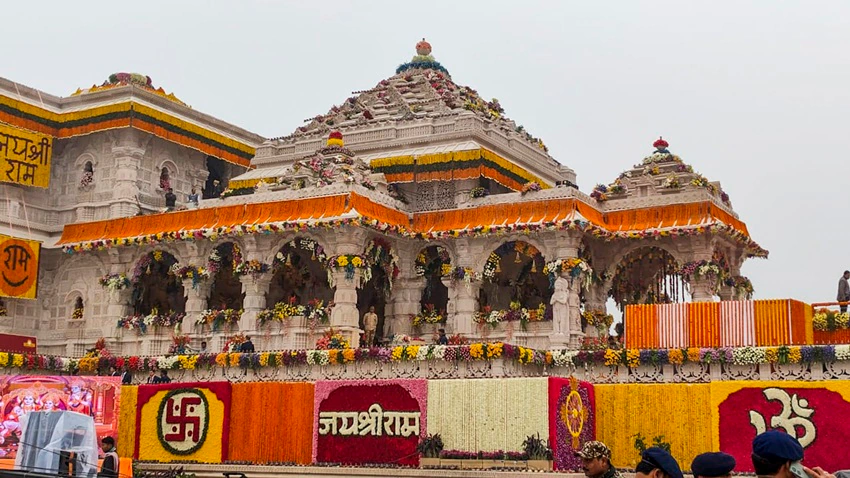
The Ram Mandir (Ram Temple) has become the centerpiece of Ayodhya’s spiritual landscape. After decades of anticipation and controversy, the grand temple dedicated to Lord Ram was inaugurated in January 2024, marking a historic moment for Hindu devotees. The temple’s construction represents not just architectural achievement but the culmination of a long-cherished aspiration for millions of believers.
The temple’s architecture is breathtaking, drawing inspiration from traditional Hindu temple design while incorporating modern construction techniques. Built in the Nagara style with intricate carvings depicting scenes from the Ramayana, the structure rises majestically above the surrounding landscape. The sanctum sanctorum houses the Ram Lalla (infant Ram) idol, and the atmosphere inside radiates with devotional energy as pilgrims queue for darshan (sacred viewing).
Visiting the Ram Mandir requires patience, especially during peak pilgrimage seasons, as crowds can be substantial. However, the experience of standing in the holy sanctuary where Ram is believed to have been born creates an emotional and spiritual impact that devotees describe as life-changing. Even for those not particularly religious, the architectural beauty and the visible devotion of fellow visitors create a memorable experience.
Historical Temples and Spiritual Sites
Hanuman Garhi and Kanak Bhawan
Beyond the Ram Mandir, Ayodhya houses numerous other significant temples. Hanuman Garhi, perched on a hillock and accessible via 76 steps, is dedicated to Lord Hanuman, Ram’s devoted follower. This fortress-like temple is one of the most important Hanuman temples in India, and locals believe that every wish made here with a pure heart gets fulfilled. The views from the temple offer panoramic vistas of Ayodhya, and the atmosphere buzzes with devotional energy as visitors chant “Jai Shri Ram.”
Kanak Bhawan, meaning “Golden Palace,” is an exquisite temple dedicated to Rama and Sita. According to tradition, this was gifted to Sita by Ram’s stepmother Kaikeyi after their marriage. The temple houses beautiful idols adorned with gold crowns (hence the name), and the intricate artwork on the walls depicts scenes from Ram and Sita’s life. The temple’s peaceful atmosphere makes it perfect for quiet contemplation.
Other notable sites include Nageshwarnath Temple (dedicated to Shiva and said to be established by Ram’s son Kush), Treta Ke Thakur (marking the spot where Ram performed the Ashwamedha Yajna), and numerous smaller shrines and ashrams scattered throughout the city.
The Sarayu River and Its Sacred Ghats
The Sarayu River flows through Ayodhya, adding to the city’s sacred geography. While less famous than the Ganges, the Sarayu holds immense religious significance—bathing in its waters is believed to purify sins and grant spiritual merit. The riverbank features several ghats where pilgrims perform rituals, offer prayers, and take holy dips.
Ram Ki Paidi, a series of ghats along the Sarayu, serves as the main bathing area. During festivals, particularly Ram Navami (celebrating Ram’s birth), these ghats come alive with thousands of devotees, colorful decorations, and elaborate ceremonies. Even on regular days, witnessing the evening aarti on the Sarayu creates a peaceful, meditative experience as oil lamps float on the water and devotional songs fill the air.
Experiencing Ayodhya’s Spiritual Atmosphere
What strikes visitors most about Ayodhya is the pervasive atmosphere of devotion. Unlike some pilgrimage sites that feel commercialized, Ayodhya retains an earnest, heartfelt quality. The city is undergoing significant development and beautification, with improved infrastructure making pilgrim experiences more comfortable, yet it hasn’t lost its spiritual authenticity.
Allow yourself time to simply wander through the city. Visit local sweet shops selling prasad (religious offerings), watch artisans creating religious idols, listen to priests reciting ancient texts, and observe the daily rituals that have continued for generations. The city’s essence isn’t captured in monuments alone but in these everyday expressions of faith that make Ayodhya a living spiritual entity rather than just a historical site.
Nainital – Where Mountains Meet Spirituality
The Lake District of Uttarakhand
From the plains of Ayodhya, our spiritual journey ascends to the Himalayan foothills, to Nainital—a place where spirituality takes on a completely different character. Here, divinity reveals itself not just in temples but in the mountains, lakes, and forests that surround you. Nainital offers what might be called “nature spirituality,” where the created world itself becomes a pathway to the divine.
Situated at an elevation of about 2,000 meters, Nainital enjoys a pleasant climate throughout the year and spectacular natural beauty. The town wraps around the emerald Naini Lake, with mountains rising on all sides, creating an amphitheater of peaks that seem to cradle the settlement in their protective embrace. This natural setting has attracted spiritual seekers, nature lovers, and those simply needing respite from the heat and chaos of the plains.
Naina Devi Temple: The Sacred Heart
The Naina Devi Temple sits at the northern shore of Naini Lake and gives the town its name. According to Hindu mythology, this is one of the 51 Shakti Peeths—places where parts of Goddess Sati’s body fell when Lord Shiva carried her corpse in grief and rage after she self-immolated. The legend states that Sati’s eyes (naina) fell at this spot, making it a particularly sacred site for Shakti worship.
The temple itself is relatively small but radiates powerful spiritual energy. The main deity is represented by three forms—Goddess Kali on the left, Goddess Lakshmibai in the center, and Goddess Saraswati on the right, representing the trinity of destruction, wealth, and knowledge. Devotees believe that sincere prayers here bear fruit, and the temple sees a steady stream of worshippers throughout the year.
Visiting during the Nanda Devi Mela (usually in September) offers a particularly vibrant experience, as the temple becomes the center of elaborate celebrations honoring the goddess. However, any visit to Nainital should include time at this temple, not just for its religious significance but for the peaceful atmosphere and the opportunity it provides for reflection.
Natural Beauty and Spiritual Serenity
Naini Lake and Boating Experiences
The heart of Nainital is undoubtedly its lake. This pear-shaped water body stretches about two kilometers and remains beautifully clear, reflecting the surrounding mountains like a perfect mirror on calm days. Boating on Naini Lake isn’t just recreation—it’s a meditative experience. As you glide across the water, surrounded by mountains and sky, there’s a natural quieting of the mind that feels inherently spiritual.
Early morning boat rides offer the most magical experiences. As mist rises from the water and the first sunlight touches the peaks, you’ll find a serenity that’s increasingly rare in our busy world. Many visitors describe these moments as unexpectedly profound, creating a sense of connection with nature that feels as spiritual as any temple visit.
Scenic Viewpoints and Nature Walks
Nainital offers numerous viewpoints that double as places for spiritual contemplation. Naina Peak (also called China Peak), the highest point in Nainital, provides panoramic views of the Himalayas that inspire awe and humility—reminding you of your small place in an immense, beautiful universe. The trek to reach it (or the horse ride if you prefer) becomes a form of moving meditation.
Snow View Point, accessible by cable car, offers spectacular vistas of snow-capped peaks including Nanda Devi, Trishul, and Nanda Kot. Tiffin Top (Dorothy’s Seat), a slightly more challenging trek, rewards hikers with 360-degree views that make the effort worthwhile. These aren’t explicitly religious sites, but they facilitate spiritual experiences through their natural grandeur.
The walks around the lake, particularly the Thandi Sadak (cool road) on the north side, provide peaceful paths for contemplative strolls. Unlike the bustling Mall Road on the south side, these quieter routes let you experience Nainital’s natural beauty without distraction, perfect for those seeking solitude and reflection.
Nearby Spiritual Destinations
Nainital serves as an excellent base for exploring other spiritual sites in the region. Mukteshwar, about 50 kilometers away, houses an ancient Shiva temple and offers even more pristine mountain environments. The Ghorakhal Temple, dedicated to Lord Golu Devata (a local deity), attracts devotees who write petitions on stamp paper, believing the deity acts as a divine judge who resolves disputes.
Bhimtal, Sattal, and Naukuchiatal—other lakes near Nainital—each have their own temples and spiritual significance, creating opportunities for extended exploration if you have time. The region is dotted with ashrams and meditation centers where you can participate in yoga classes, meditation sessions, or simply enjoy the peaceful environment conducive to spiritual practice.
Haridwar – Gateway to the Gods
The Holy City on the Ganges
Our spiritual journey concludes (or for some, begins) in Haridwar, one of Hinduism’s seven holiest cities and a place where the sacred Ganges descends from the Himalayas to the plains. The name “Haridwar” literally means “Gateway to God,” and the city lives up to this designation—it serves as the entry point for the Char Dham pilgrimage (four sacred Himalayan sites) and hosts millions of pilgrims annually.
Haridwar’s spiritual significance is immense. It’s believed that bathing in the Ganges here washes away sins and grants moksha (liberation from the cycle of rebirth). The river flows fast and clear here, not yet slowed by the plains or polluted by the cities downstream, creating a powerful, almost tangible presence that affects everyone who encounters it.
The Mesmerizing Ganga Aarti
If you experience only one thing in Haridwar, make it the evening Ganga Aarti at Har Ki Pauri. This ceremony, performed as the sun sets, is one of India’s most spectacular spiritual displays. Dozens of priests dressed in orange robes stand along the ghat, each holding large brass lamps with multiple wicks. As devotional music builds to a crescendo, they perform synchronized movements, offering the flames to the river in a choreographed worship that has continued daily for generations.
Hundreds of small diyas (oil lamps) are set afloat on the river, creating a mesmerizing sight as they drift downstream, carrying prayers and wishes. The smoke from incense and camphor fills the air, bells ring incessantly, conch shells blow, and the combined voices of thousands of devotees singing create an overwhelming sensory experience. It’s not just a performance—it’s a living expression of faith that genuinely moves both believers and observers.
Arrive at least 30-45 minutes early to secure a good viewing spot, as the crowds grow large, especially during weekends and festivals. The atmosphere buzzes with anticipation, vendors sell flowers and lamps for offerings, and the collective energy of the gathering crowd creates its own spiritual intensity.
Temples and Sacred Bathing Ghats
Har Ki Pauri: The Footstep of God
Har Ki Pauri, meaning “Footstep of God,” is Haridwar’s most sacred ghat. Legend claims that Lord Vishnu left his footprint on a stone here, though the exact stone is subject to debate among different traditions. Regardless of the legend’s literal truth, this ghat holds immense significance—taking a dip here is believed to be especially auspicious, and many Hindus aspire to immerse the ashes of deceased relatives at this spot.
The ghat area is beautifully maintained, with steps descending into the clear, cold Ganges waters. Watching pilgrims bathe—some with joyous abandon, others with solemn devotion—provides insights into the diverse ways people approach their faith. Some perform elaborate rituals, others simply dip quickly and move on, but all share a belief in the sacred power of this water.
Mansa Devi and Chandi Devi Temples
Perched on hilltops flanking Haridwar are two important goddess temples. Mansa Devi Temple, dedicated to a form of Shakti believed to fulfill wishes, sits atop Bilwa Parvat and can be reached by cable car or a steep trek. The temple complex offers panoramic views of Haridwar and the Ganges valley, and devotees tie threads on trees here, believing their wishes will be granted when the threads naturally break.
Chandi Devi Temple, dedicated to the goddess who killed demons Shumbha and Nishumbha, occupies the summit of Neel Parvat on the opposite side. According to legend, the main statue was installed by Adi Shankaracharya in the 8th century. This temple also offers spectacular views and can be reached via cable car or a 3-kilometer uphill trek that many devotees undertake as an act of devotion.
Both temples see significant crowds, particularly during Navratri and other festivals dedicated to the goddess. If you visit both, you’ll have experienced Haridwar from multiple perspectives—from the riverside ghats to the commanding heights of the surrounding hills.
Spiritual Practices and Ashram Experiences
Haridwar hosts numerous ashrams and spiritual centers where you can deepen your spiritual practice. Shantikunj, the headquarters of the All World Gayatri Pariwar, welcomes visitors to participate in yagnas (fire ceremonies) and spiritual discourses. Parmarth Niketan and other ashrams offer yoga classes, meditation sessions, and lectures on Hindu philosophy.
Many visitors find that staying in an ashram, even for just a night or two, provides a different quality of experience than staying in hotels. The simple accommodations, vegetarian meals, and structured schedule centered around spiritual practices create an environment conducive to introspection and inner work. Morning sessions often include yoga and pranayama (breathing exercises), while evenings might feature group meditation or satsang (spiritual gatherings with discussions and devotional singing).
For those interested in Ayurveda, Haridwar and nearby Rishikesh offer numerous centers where you can receive consultations, treatments, and learn about this ancient system of medicine that views health as intimately connected with spiritual wellbeing.
Haridwar as Base for Himalayan Pilgrimages
Haridwar serves as the gateway for several important pilgrimage routes. Rishikesh, just 25 kilometers upstream, offers a slightly less crowded atmosphere with its own temples, ashrams, and the famous Laxman Jhula and Ram Jhula suspension bridges. From Haridwar, pilgrims also begin the journey to the Char Dham (Yamunotri, Gangotri, Kedarnath, and Badrinath)—four sacred Himalayan shrines that devout Hindus aspire to visit.
Even if you don’t have time for extended Himalayan pilgrimages, understanding Haridwar’s role as a starting point helps you appreciate the city’s significance. It’s not just a destination in itself but the threshold between the ordinary world and the sacred mountains—a liminal space where pilgrims prepare themselves physically and spiritually for the challenges ahead.
Planning Your Spiritual Journey
Suggested Itinerary: 7-9 Days
How should you structure this spiritual circuit? Here’s a practical itinerary that allows for meaningful experiences without excessive rushing:
Days 1-2: Ayodhya
- Day 1: Arrive in Ayodhya, visit Ram Mandir (arrive early to avoid crowds), explore Hanuman Garhi, evening aarti at Sarayu River
- Day 2: Visit Kanak Bhawan, other temples like Nageshwarnath and Treta Ke Thakur, explore the city’s spiritual atmosphere, shopping for religious items
Day 3: Ayodhya to Nainital (550 km, 10-12 hours by road or train to Kathgodam then 1.5 hours to Nainital)
- Travel day—start early, arrive evening, rest and acclimatize to mountain altitude
Days 4-5: Nainital
- Day 4: Visit Naina Devi Temple at sunrise, boating on Naini Lake, walk around Mall Road, evening at leisure
- Day 5: Visit viewpoints (Naina Peak or Snow View), Tiffin Top, explore nearby lakes like Bhimtal if time permits, meditation or yoga session
Day 6: Nainital to Haridwar (280 km, 7-8 hours)
- Morning in Nainital, afternoon travel to Haridwar, evening relaxation
Days 7-8: Haridwar
- Day 7: Morning bath at Har Ki Pauri, visit Mansa Devi Temple (cable car), explore local markets, evening Ganga Aarti
- Day 8: Visit Chandi Devi Temple, participate in ashram activities (yoga, meditation), possible day trip to Rishikesh, final evening aarti
Day 9: Departure
- Morning prayers if desired, departure from Haridwar
This itinerary balances structured sightseeing with free time for spiritual practices and personal reflection. You can adjust based on your interests—spend an extra day in Nainital if you want more mountain time, or add a day for Rishikesh exploration.
Transportation and Connectivity
This circuit requires some careful planning as these destinations aren’t in a straight line. Ayodhya has good train connections to major cities like Delhi and Lucknow, and now has its own airport with increasing flight connections. From Ayodhya to Nainital, you’ll typically travel to Kathgodam (the nearest railway station to Nainital) or hire a car for the entire journey—the drive offers scenic views as you approach the mountains.
Nainital to Haridwar can be done by road (hire a car or take a bus) through beautiful Himalayan foothill routes. Haridwar has excellent train connections to Delhi and other major cities, making departure convenient.
Within Ayodhya and Haridwar, auto-rickshaws and cycle-rickshaws are readily available. Nainital is compact enough to explore on foot, though taxis are available for reaching viewpoints and nearby attractions. Many travelers prefer hiring a car with driver for this entire circuit, offering flexibility and comfort, especially for the longer travel segments.
Best Time for This Spiritual Circuit
The ideal period is October through March, when weather is pleasant across all three destinations. Ayodhya and Haridwar can get quite hot in summer (April-June), with temperatures exceeding 40°C. Nainital remains pleasant year-round, though summer (May-June) sees large crowds of tourists escaping the plains’ heat.
Winter months (December-February) are beautiful but can be cold, especially in Nainital where temperatures may drop below freezing. Pack accordingly with warm clothing if traveling during this period. Monsoon season (July-September) brings heavy rains to Nainital and the route can be affected by landslides, making travel unpredictable.
Special considerations for festival times: Ram Navami (usually March-April) sees massive crowds in Ayodhya but offers spectacular celebrations. Haridwar during Kumbh Mela years (next in 2022, then 2028) attracts millions but requires advance planning. The Kanwar Yatra (July-August) brings huge numbers of Shiva devotees to Haridwar, creating an intensely devotional but very crowded atmosphere.
Accommodation: From Ashrams to Hotels
Each destination offers diverse accommodation options. Ayodhya has numerous hotels ranging from budget to mid-range, with new properties opening as tourism infrastructure develops. Many hotels cater specifically to pilgrims, offering simple, clean rooms and vegetarian food.
Nainital provides the widest accommodation range, from budget guesthouses to luxury heritage hotels. Prices vary significantly by season—peak summer months cost considerably more than off-season. Book in advance during peak periods (May-June, October-November) as good accommodations fill quickly.
Haridwar offers everything from basic dharamshalas (pilgrim guesthouses) to comfortable hotels to ashram stays. For a more authentic spiritual experience, consider staying in an ashram like Parmarth Niketan or Sadhana Mandir, where you’ll participate in daily spiritual routines. These typically require advance booking and adherence to ashram rules (no alcohol, no meat, specific timings for meals and activities).
Spiritual Activities and Experiences
Beyond visiting temples and sacred sites, immerse yourself in spiritual practices that can deepen your experience. Consider participating in:
Yoga and Meditation: Haridwar and Nainital both offer numerous opportunities for yoga classes and meditation sessions. Even beginners will find welcoming environments to learn these ancient practices.
Spiritual Discourses: Many ashrams in Haridwar conduct daily satsangs where spiritual teachers discuss Hindu philosophy, answer questions, and guide devotional singing. These sessions, even if you don’t understand all the language, convey the essence of Indian spiritual traditions.
Aarti Ceremonies: Don’t miss the aartis—in Ayodhya on the Sarayu River, and especially in Haridwar at Har Ki Pauri. These ceremonies aren’t performances but genuine worship that has continued for generations.
Nature Meditation: In Nainital, use the natural beauty for contemplative practices. Find a quiet spot by the lake or on a hilltop, and simply sit with the mountains and sky—this can be as spiritually nourishing as any formal practice.
Ritual Bathing: If comfortable doing so, take a holy dip in the Sarayu at Ayodhya or the Ganges at Haridwar. Even if you don’t share the religious belief in purification, the experience of immersing in these historically significant waters creates a memorable connection with centuries of tradition.
Conclusion
The spiritual journey through Ayodhya, Nainital, and Haridwar offers something increasingly rare in our modern world—an opportunity to slow down, turn inward, and connect with dimensions of existence beyond the material. Each destination contributes uniquely to this journey: Ayodhya grounds you in mythological and devotional traditions, Nainital offers natural beauty that elevates the spirit, and Haridwar provides powerful rituals that connect you to living spiritual practice.
This isn’t just a tour of religious sites. It’s an invitation to explore different pathways to the sacred—through devotion to deities, through communion with nature, through participation in ancient rituals, and through personal contemplation and inner work. Whether you consider yourself religious, spiritual-but-not-religious, or simply curious about India’s spiritual traditions, this circuit offers experiences that can touch something deep within.
You’ll return from this journey with more than photographs and souvenirs. You’ll carry memories of mornings by sacred rivers, of mountain sunrises that took your breath away, of crowds united in devotional song, and of quiet moments when something shifted inside you. In our rushed, disconnected world, this spiritual triangle offers what we all need occasionally—a chance to reconnect with ourselves, with nature, with the sacred, and with the timeless human search for meaning and transcendence.
FAQs
1. Is this spiritual circuit suitable for non-Hindus or non-religious travelers?
Absolutely! While these destinations hold special significance for Hindus, they welcome visitors of all faiths and backgrounds. Non-Hindu visitors often find the experiences meaningful in their own ways—appreciating the architectural beauty, the cultural insights, the natural scenery, and the universal human expressions of devotion and seeking. Approach with respect and openness, and you’ll find these places rewarding regardless of your personal beliefs. Many atheists and agnostics report finding unexpected value in witnessing authentic spiritual practices and experiencing India’s religious heritage firsthand.
2. What dress code should I follow at these sacred sites?
Modest clothing is essential at all temples and ghats. Both men and women should cover shoulders and knees—avoid shorts, sleeveless tops, and revealing clothing. In Ayodhya and Haridwar particularly, conservative dress shows respect for the sacred nature of these sites. Women might want to carry a dupatta or scarf that can cover heads if entering certain temple areas. Nainital is more relaxed regarding dress codes in general areas, but the Naina Devi Temple still requires modest attire. Comfortable walking shoes are essential, though you’ll need to remove them before entering temple sanctums.
3. Can I take photographs inside temples and during ceremonies?
Photography rules vary by location. At Har Ki Pauri in Haridwar, photography during the Ganga Aarti is generally allowed from designated areas, though avoid using flash and be respectful of worshippers. Inside temple sanctums, photography is usually prohibited. The Ram Mandir in Ayodhya has specific photography restrictions—check current rules when you visit. When in doubt, always ask permission before photographing religious ceremonies or people engaged in worship. Remember that capturing content for social media shouldn’t take precedence over respectful participation in sacred moments.
4. What is the approximate budget for this 7-9 day spiritual journey?
Budget varies significantly based on accommodation choices and travel style. A rough estimate for a mid-range traveler: ₹1,000-2,500 ($12-30) per night for hotels, ₹300-800 ($4-10) per day for food (vegetarian meals are generally inexpensive), ₹5,000-10,000 ($60-120) for inter-city transportation if hiring a car with driver, plus entry fees, cable car rides, and miscellaneous expenses. Total budget might range from ₹25,000-50,000 ($300-600) per person for the entire trip, excluding flights to/from your starting point. Budget travelers using trains and staying in basic accommodations can do it for less; luxury travelers staying in premium hotels will spend significantly more.
5. Are there any health precautions I should take, especially for the mountain region?
For Nainital’s altitude (around 2,000 meters), most people don’t experience significant altitude issues, but stay hydrated and take it easy on the first day. Those with respiratory conditions should consult doctors before traveling to hill stations. Carry basic medications for common ailments—stomach issues, headaches, cold/flu symptoms. The Ganges water in Haridwar, while religiously sacred, shouldn’t be consumed—use bottled water for drinking. Vegetarian food dominates these destinations, reducing some food safety concerns. Wear comfortable walking shoes as you’ll be doing significant walking, often on uneven surfaces. Sun protection is important, especially in Nainital where UV exposure increases with altitude. Travel insurance covering medical emergencies is always advisable.